Industrial Innovations That Refined Precision in Gaming Wheel Production During the Victorian Era
Written by Greta Wagner · Nov 9, 2026
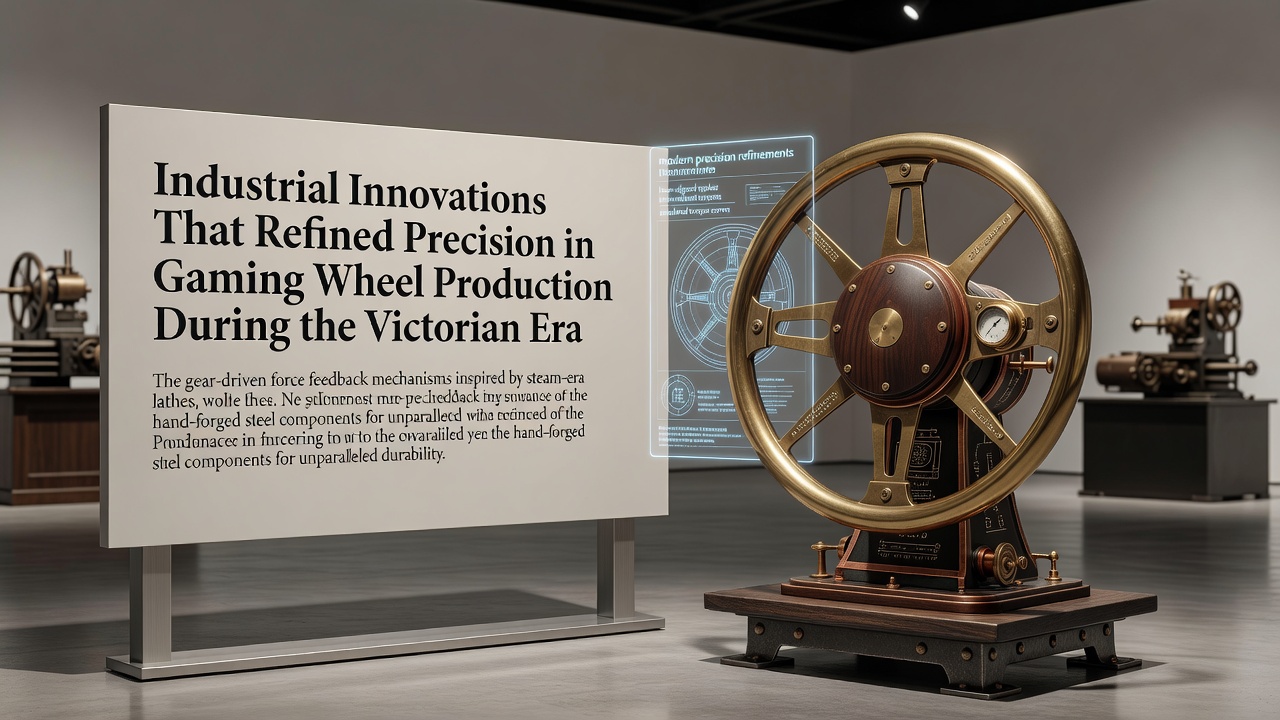
Industrial Innovations That Refined Precision in Gaming Wheel Production During the Victorian Era
During the Victorian era from 1837 to 1901, industrial advancements transformed manufacturing processes across multiple sectors, and gaming wheel production benefited from these developments through enhanced machinery and measurement techniques. Factories adopted steam-powered equipment that allowed consistent shaping of wooden and metal components, while new materials like hardened steel improved durability in rotating parts.
Early Manufacturing Limitations Before Major Changes
Initial wheel construction relied on hand tools and basic woodworking methods, which often resulted in uneven weight distribution and inconsistent spin performance, yet observers note that demand from gaming establishments pushed producers toward greater accuracy. Data from period records shows that early wheels frequently required manual adjustments after assembly because lathes lacked the rigidity needed for fine tolerances.
Key Technological Advancements in Precision Engineering
The introduction of the screw-cutting lathe and later refinements in milling machines enabled craftsmen to create axles and bearings with tighter specifications, and researchers have documented how these tools reduced variations in wheel balance by measurable margins. Steam engines provided steady power that replaced inconsistent manual cranking, allowing continuous operation on production lines where multiple wheels could be processed simultaneously.
Measurement instruments such as the micrometer and improved calipers emerged during this period, and evidence indicates these devices helped workers verify dimensions to fractions of an inch rather than relying on visual estimation alone. One documented case involved a Birmingham workshop that integrated these tools into daily routines, resulting in wheels that maintained rotational stability over extended use.
Material and Process Improvements
Producers experimented with new alloys and treated woods that resisted warping, while casting techniques for metal rings advanced through better mold designs and temperature controls. Figures from industrial reports reveal that these changes contributed to wheels with more uniform mass distribution, which in turn supported reliable performance in gaming settings.
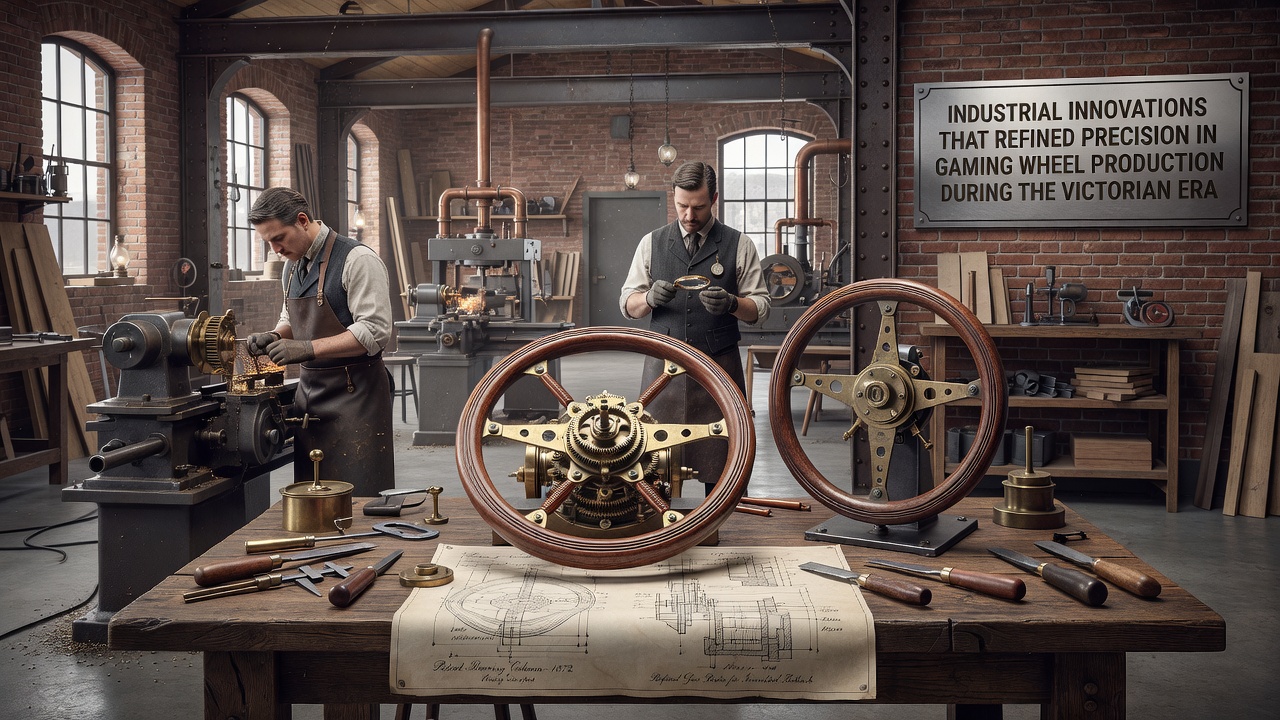
Assembly lines began incorporating sequential quality checks, and those who studied factory logs note that this systematic approach caught defects earlier in the process. The ball's in their court when it comes to adopting such methods, but many workshops followed suit because the results justified the investment in equipment upgrades.
Broader Industrial Context and Regional Developments
Victorian Britain led many of these shifts, yet similar patterns appeared in manufacturing centers across Europe and North America where trade networks spread technical knowledge. Academic sources from institutions like the Massachusetts Institute of Technology have examined how precision engineering principles crossed the Atlantic and influenced gaming equipment makers in emerging markets. According to historical analyses from the National Museum of Australia, comparable innovations reached colonial workshops by the late 1800s through imported machinery catalogs.
Trade associations formed during this era to share best practices, and data indicates these groups helped standardize certain specifications for wheel components. What's interesting is how these networks connected small-scale producers with larger engineering firms, accelerating the adoption of techniques originally developed for clockmaking and scientific instruments.
Long-Term Effects on Production Standards
By the close of the Victorian period, gaming wheel manufacturing had moved toward methods that emphasized repeatability and reduced human error, setting foundations for twentieth-century automation. Studies from European research institutions show measurable improvements in product consistency when comparing wheels made in 1850 versus those produced in 1900.
These changes aligned with wider industrial trends in measurement science and power transmission, allowing producers to scale output without sacrificing the mechanical integrity required for balanced rotation. Observers note that such progress occurred alongside parallel developments in other precision goods like surveying equipment and musical instruments.
Conclusion
The Victorian era marked a transition in gaming wheel production where industrial tools and processes delivered greater precision through incremental yet cumulative innovations. Evidence from factory records and technical publications demonstrates how steam power, refined lathes, and improved measurement devices addressed earlier limitations in balance and durability. Regional exchanges of knowledge further supported these advances, creating standards that endured beyond the period itself.