Observer Patterns in Broadcast Roulette: How Visual Cues Influence Wager Placement Among Remote Participants
Written by Yves Washington · Sep 28, 2026
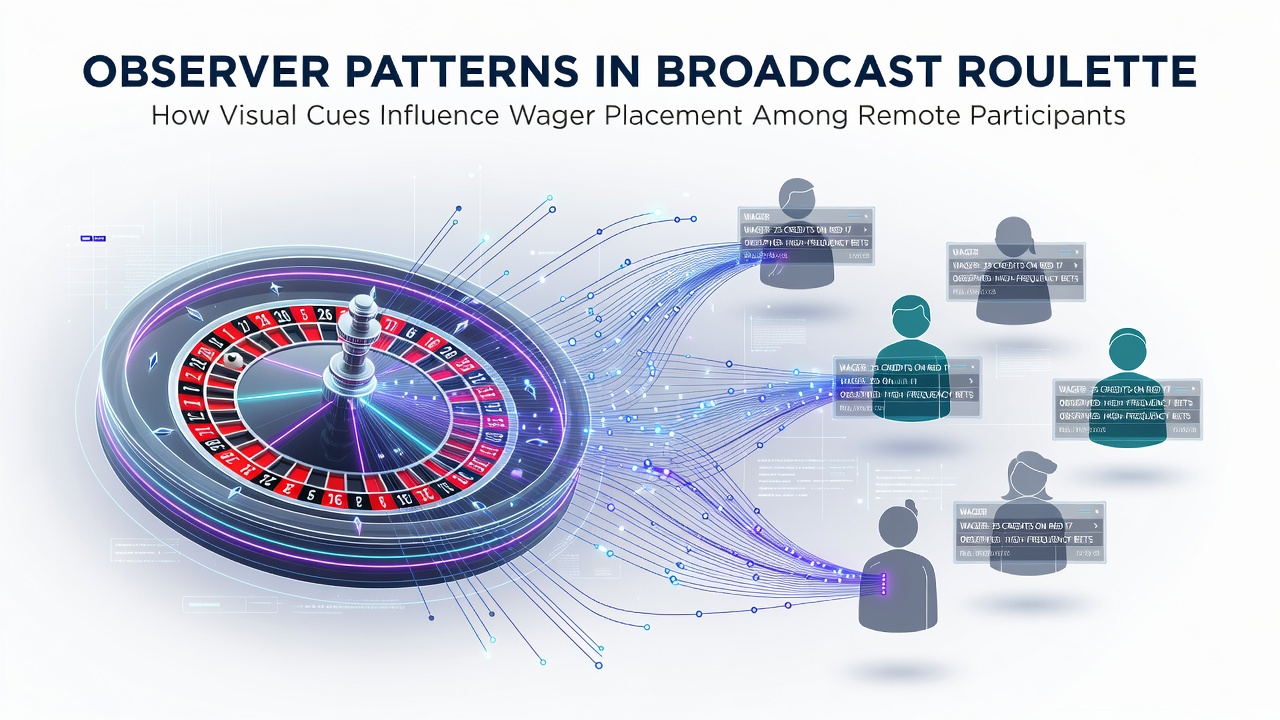
Observer Patterns in Broadcast Roulette: How Visual Cues Influence Wager Placement Among Remote Participants
Remote participants in broadcast roulette engage with live video feeds that transmit detailed visuals of the wheel, ball trajectory, and dealer actions, and these elements shape wager decisions in measurable ways according to multiple industry reports released through 2026. Data collected across European and North American platforms during September 2026 shows consistent patterns where viewers adjust bets after observing specific sequences such as repeated wheel biases or particular dealer release techniques, while researchers at academic institutions track these shifts through aggregated betting logs without accessing individual accounts.
Mechanics of Visual Transmission in Broadcast Formats
Operators deliver high-definition streams that capture the roulette wheel from multiple angles, and remote users receive real-time updates on ball speed alongside close-ups of the dealer’s hand position before each spin; this setup allows observers to form rapid interpretations that influence subsequent stake placements. Studies conducted by research teams in Canada and Australia indicate that participants who watch extended sequences of spins develop preferences for certain number clusters when the visual feed emphasizes specific sectors of the wheel, and these preferences appear in placement data collected over multi-week periods.
Platforms maintain standardized camera positions to ensure consistent visual information reaches every viewer, yet slight variations in lighting or frame rate can alter how remote audiences perceive ball movement and dealer rhythm. Evidence from behavioral tracking in regulated markets demonstrates that changes in visual framing correlate with shifts in bet distribution, particularly when feeds highlight the ball’s final rotations or the dealer’s clearing motions between rounds.
Data Patterns from Recent Broadcast Sessions
Analysis of wager records from September 2026 reveals clusters of activity around numbers that receive prolonged screen time during particular spins, and analysts attribute these clusters to repeated exposure rather than random distribution. Remote participants frequently increase stakes on segments that appear under closer camera scrutiny, and this response holds across different time zones and device types according to aggregated platform statistics.
One research project based at an Australian university examined thousands of remote sessions and found measurable increases in outside bets when visual cues emphasized the wheel’s outer rim, while inside bet frequency rose during sequences featuring tighter close-ups of numbered pockets. These findings align with reports from North American regulatory bodies that monitor live-streamed table games and note similar visual-response correlations in player activity logs.
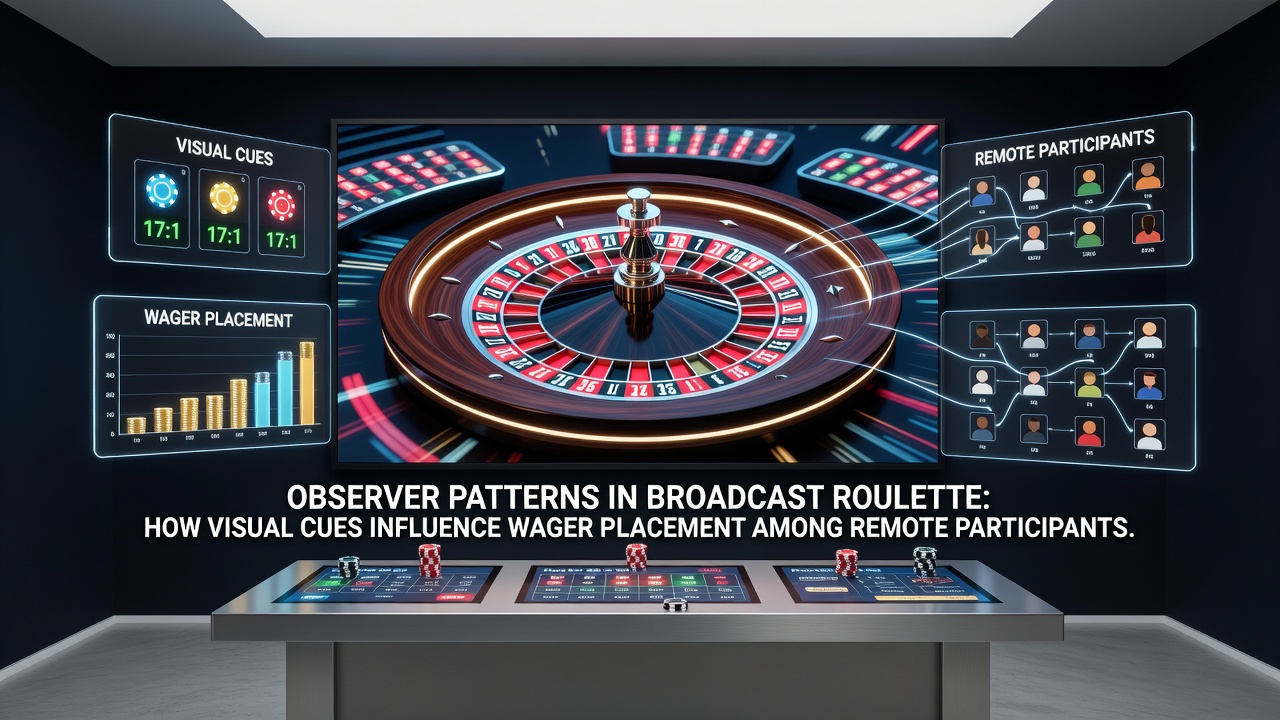
Influence of Dealer Gestures and Wheel Dynamics
Dealers follow standardized procedures, yet their individual styles of releasing the ball or clearing the table create visual signals that remote observers register and incorporate into placement choices; data indicates that certain release angles precede higher volumes of bets on adjacent numbers. Observers note these patterns over repeated viewings, and placement records show corresponding adjustments within the same session or across consecutive broadcasts.
Wheel speed variations captured on camera prompt measurable responses among viewers, and researchers tracking September 2026 streams recorded elevated activity on low or high numbers when feeds highlighted faster rotations. Industry organizations in the United States have compiled similar observations from multiple operators, confirming that visual emphasis on speed and trajectory directs wager distribution in predictable directions across large sample sizes.
Platform Design and Viewer Response Mechanisms
Broadcast interfaces integrate betting panels directly beside the video feed, allowing participants to place wagers while visual information remains in view, and this simultaneous presentation strengthens the link between observed cues and immediate actions. Technical specifications require synchronized data feeds so that bet confirmation occurs without disrupting the visual stream, adn platform logs from 2026 document higher volumes of adjusted bets during moments of pronounced visual change.
Remote participants access these streams through desktop and mobile applications that maintain consistent visual quality, yet device screen size can affect how much detail viewers extract from each frame. Reports issued by European research consortia highlight that smaller screens still transmit core cues such as ball direction and dealer posture, and corresponding bet data shows parallel response patterns regardless of viewing hardware.
Conclusion
Observer patterns in broadcast roulette emerge from the interaction between transmitted visual information and remote wager decisions, and records compiled through September 2026 demonstrate repeatable correlations between specific cues and placement trends. Continued monitoring by academic and regulatory groups across multiple regions provides ongoing data on how these dynamics evolve with technological refinements in video delivery and interface design.