The Transformation of Roulette Engagement Across Centuries: Origins in France to Contemporary Broadcast Formats
Written by Carlo Günther · Nov 23, 2026
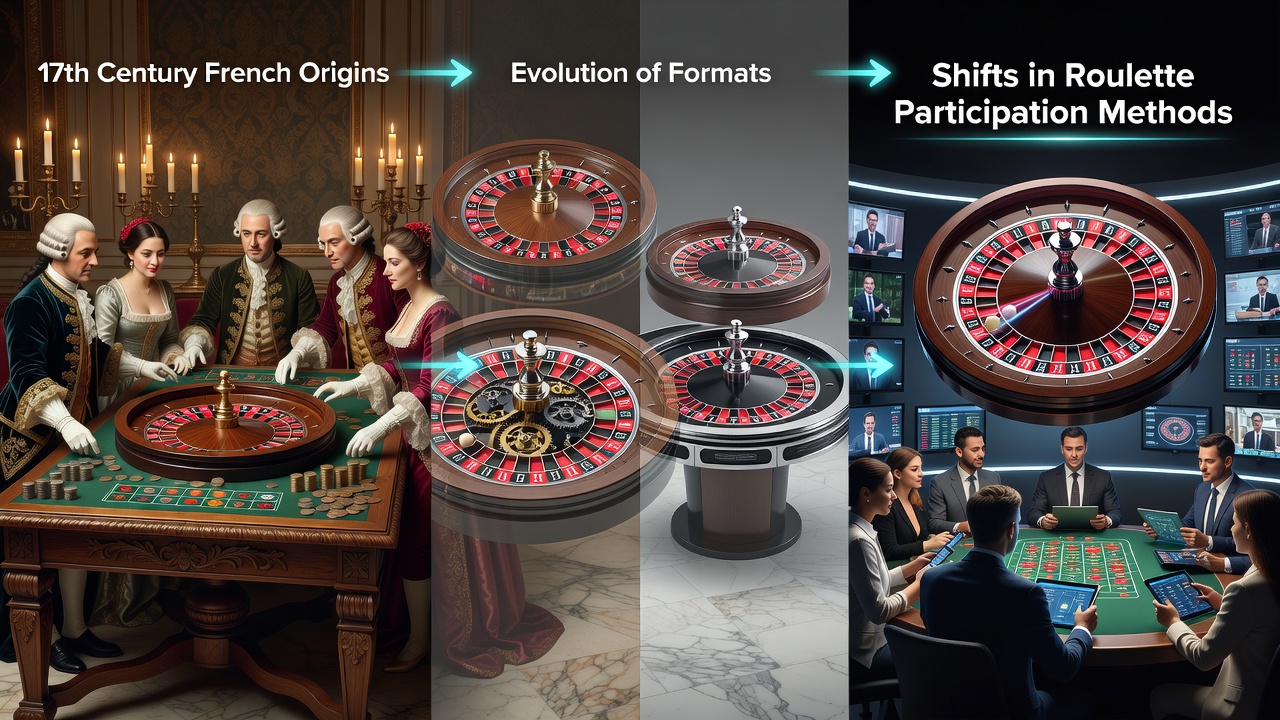
The Transformation of Roulette Engagement Across Centuries: Origins in France to Contemporary Broadcast Formats
Researchers trace roulette origins to 17th century France, where mathematician Blaise Pascal developed the foundational wheel mechanism while exploring perpetual motion devices, and data from historical records show this invention merged with existing wheel games popular in European courts during that period. Observers note the game spread through aristocratic circles in Paris and other French cities by the late 1600s, with participation limited to physical presence at tables where players placed bets directly on numbered layouts using coins and tokens.
Early Participation Structures in European Casinos
By the 18th century French operators had refined the wheel into a standardized format with 38 pockets including both zero and double zero, and records indicate these early venues required participants to attend in person at dedicated gaming houses in cities like Paris and Lyon. Studies from gaming historians reveal that participation methods centered on direct interaction, where individuals stood or sat at the table to observe spins and place chips manually, creating a social environment tied to physical proximity. What's interesting is how these structures persisted with minimal change through the 19th century, as French and later American operators maintained the same in-person model even as casinos expanded to locations such as Monte Carlo and Las Vegas.
Industrial Era Adjustments and Regional Variations
During the 20th century manufacturers introduced electronic components to wheels in some jurisdictions, yet participation still demanded on-site attendance until broadcast technologies emerged in the 1990s. Figures from industry reports show European markets led initial experiments with closed-circuit television feeds that allowed remote viewing, although betting remained confined to casino floors or authorized outlets. Turns out regulatory frameworks in places like Australia and Canada shaped these early shifts by permitting limited off-site wagering through licensed agents, and one study revealed that such systems increased overall engagement numbers without altering the core wheel mechanics.
Broadcast Wheel Formats and Remote Access Expansion
Modern broadcast formats rely on live video transmissions from dedicated studios equipped with physical wheels, and experts have observed that these setups transmit spins to participants who place bets through digital platforms or telephone services. Data indicates this method gained traction in the early 2000s across multiple regions, with operators in Ireland and South Africa adopting similar models to reach audiences beyond traditional casino boundaries. And here's where participation methods diverged most clearly, since viewers no longer needed physical presence yet the wheel itself retained mechanical integrity under continuous monitoring by regulatory staff.
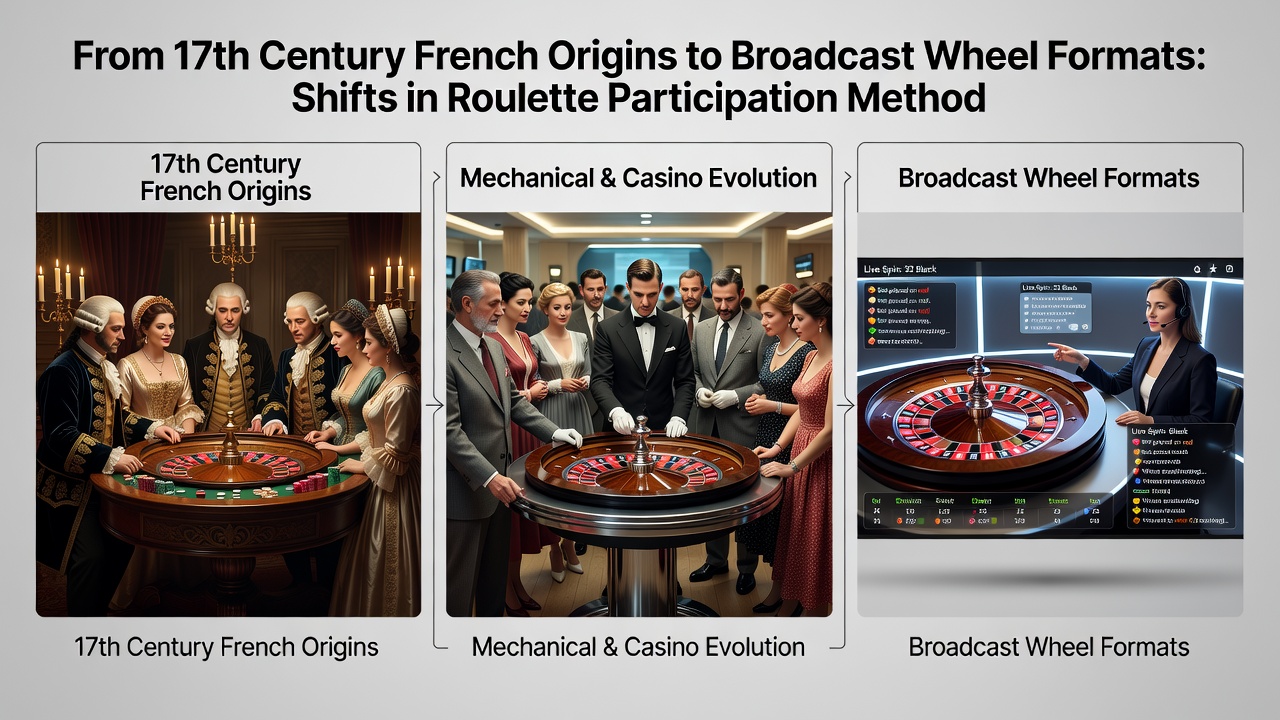
Research from academic sources highlights how broadcast wheels incorporate multiple camera angles and timing systems to maintain transparency, while participants interact via apps or websites that record wagers in real time. According to findings from the Australian Gambling Research Centre, these formats expanded access in remote areas where physical casinos were scarce, resulting in measurable increases in recorded participation rates between 2010 and 2020. But here's the thing, the underlying wheel design continues to echo 17th century French specifications even as transmission technologies evolve, and operators must comply with oversight from bodies such as the Pennsylvania Gaming Control Board to ensure fair outcomes during live broadcasts.
Projected Developments Through Late 2026
Industry analysts project continued integration of broadcast wheels with emerging transmission standards by November 2026, particularly in markets where regulators have updated licensing for remote formats. Those who've tracked participation data note that European Union directives on digital gaming may influence how operators structure viewer engagement, with emphasis on secure data handling during live sessions. Evidence suggests these changes will build on existing broadcast infrastructures rather than replace them, allowing participants to connect through varied devices while the core wheel mechanics stay consistent with historical precedents.
Comparative Analysis of Participation Methods
Traditional casino attendance involves direct observation of the wheel and immediate chip placement, whereas broadcast formats separate the viewing experience from the betting interface through electronic means. Observers note that both approaches preserve teh random outcome generation central to the game since its French origins, although broadcast methods introduce additional layers of timing synchronization and verification protocols. People who've examined participation statistics across regions find that broadcast options often attract demographics unable to visit physical sites, yet the fundamental rules and wheel configurations remain aligned with 18th century standards adapted for American variants.
Conclusion
The evolution from 17th century French tables to broadcast wheel formats demonstrates consistent mechanical principles alongside expanding access methods, with each shift driven by technological and regulatory developments rather than alterations to the wheel itself. Researchers continue to document these patterns through participation metrics that reflect broader changes in how individuals engage with the game across different eras and locations.